
If you’ve ever attended an art fair you’ll know the drill. Art professionals, dressed in eye-catching garments that could be viewed as artworks themselves, schmooze with each other over a glass of bubbles while delighting over an original artwork. The atmosphere is usually fizzing with excitement, interjected with enthusiastic laughter. While art fairs are important business opportunities, allowing collectors to view a wide range of works in a short space of time while connecting with a global community of art professionals, it’s difficult not to get the impression that this is also a world at play.
Play, of course, is an important element of the creative process, but these fairs are a vital part of the business of producing, buying and selling art. This year’s Investec Cape Town Art Fair featured 115 galleries from 24 countries, and showcased more than 400 artists (exhibiting 30-plus art forms) hailing from 50 countries across the globe. The fair attracted 30 000 guests, including a significant number from out of town, making it the ‘the best to date’ in terms of total visitors and tickets sold. Its success was also reflected in the number of collectors present, and overall gallery satisfaction around sales and networking, says Laura Vincenti, director of the Investec Cape Town Art Fair.

Vincenti says the fair has always acted as a vehicle to provide interaction between local and international artists, curators, collectors and galleries. It showcases unique works from South Africa, Africa and the world, and exposes artists to new local and international audiences and buyers.
The theme of ‘Unbound’ at this year’s Investec Cape Town Art Fair reflects on what the nature of freedom from constraint in the context of creativity might be, a theme conceived in response to the vision to highlight the inclusiveness of such a platform. It aimed to celebrate the vibrancy of Cape Town and offered a programme to explore the city’s artistic life, cultural institutions, and interact with its creative communities.

‘This is important for creating a healthy economic and diversified ecosystem. The participation of our local galleries in international art fairs and the increasing number of shows around the world featuring South African artists have brought major attention to our art scene,’ says Vincenti.
Historically, artists who excel at the fair are well-known names in the local market as well as new, undiscovered artists exhibiting early in their careers. ‘For example, Goodman Gallery showed a young photographer, Lindokuhle Sobekwa, in the Tomorrows/Today section, who did incredibly well. This was a great opportunity for collectors to make an investment,’ says Vincenti.

Tiemar Tegene from Circle Art Gallery, and Amy Rusch from Suburbia Contemporary sold out. And Joburg-based artist Boemo Diale, represented by Kalashnikovv Gallery, took the main prize in the Tomorrows/Today Emerging Artists category for her dreamlike and lush portraits of fantasy African subjects.

Vincenti says art is both a lifelong possession and a valuable asset that can be re-sold. ‘Monitoring the secondary market for artists who have previously performed well can provide insight into potential investments.’
Camilla van Hoogstraten, head of sales and artist network at global art platform Latitudes Online, says the Investec Cape Town Art Fair is a vital part of the contemporary African arts ecosystem.

As to art as an investment, Van Hoogstraten says it’s very hard to argue against the value of artistic intellectual property and it is difficult to standardise the appreciation of an artwork over time. ‘Moreover, the tax benefits make investment in art very appealing for investors. Emerging artists are the best possible investment; however, one does need to bear the careful trajectory of their respective careers in mind and ensure that one engages with their work in a respectful manner,’ she explains.

‘When considering art as an investment, it is important to review the artist’s career milestones and upcoming projects, as well as the general appetite for their work. I do think that it is important to connect with their work visually or conceptually – one should love to live with their art.
‘With the democratization of information about the art world online, we are seeing a greater adoption of investment in art across various LSM groups as the collector base itself grows.’ Practices like collective acquisitions (such as four collectors building and investing in one collection) and payment instalments have made art a more accessible asset class across different LSM groups.

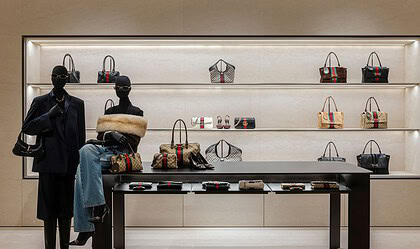
Generation Z is a particularly interesting audience for Van Hoogstraten, as they are willing to spend up to 30% of their net worth on art, meaning that they will become key players as their disposable income grows. ‘In order to appeal to Generation Z, institutions will need to focus on creating inclusive, authentic and transparent brands – the first generation of digital natives are incredibly well-informed and this will be reflected in their buying patterns. I am also already thinking about Generation Alpha; I believe that this is the generation that will favour NFTs, growing up immersed in the metaverse. [NFT, an acronym for a non-fungible token, is a unique digital identifier that is recorded on a blockchain to certify ownership and authenticity.] We see luxury brands like Gucci dedicating entire teams to developing products in the metaverse, meaning that, long-term, the luxury market in the digital sphere cannot be ignored by players in the industry,’ she says.

Glynis Hyslop of Turbine Art Fair says investing in art is like any other investment: the more you know about it, the more you’ll understand.
‘My advice to anyone who wishes to start investing in art is to go to as many shows and fairs as possible. Art fairs are excellent because they feature such a wide variety of galleries and special projects all in one place so it helps you hone your art knowledge. Talk to people to understand more – the more you learn, the
better you get at it,’ she says.
‘The major advantage of art, of course, is that you can live with it, enjoy it while your investment appreciates. It can be a luxury item or not. It may cost half the price of a pair of shoes; there are so many different price points.’

Susie Goodman, managing executive of Strauss & Co, says art is certainly an investment for people who have managed to buy art by young, rising stars that have become massively valuable as demand for the artist increases. It’s important to do your due diligence – make sure you immerse yourself in as much of the art world, go to art fairs, understand the artist and meet the dealer, says Goodman. ‘You can empower yourself with knowledge.’ Ask, get involved, look at research, go to auctions, go to art fairs, get to understand the auction process, and make use of opportunities that show you how to manage your collection.
by Anna Bennett