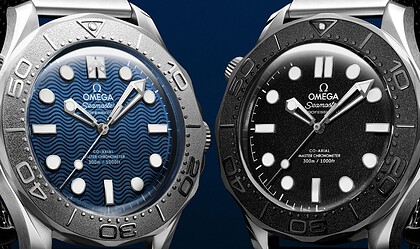

Preeminent oceanographer Dr Sylvia Earle, whose pioneering work on SCUBA gear and the development of deep-sea submersibles, is an advocate for Rolex’s Perpetual Planet Initiative, a programme supporting leading scientific efforts to preserve the natural world.
‘What we’ve done is identify critical areas that represent a real hope of restoring the health of our imperilled ocean,’ Earle says of ocean advocacy group Mission Blue’s network of so-called Hope Spots, ecologically unique areas of the ocean needing protection.


There are now around 160 Hope Spots worldwide and the network is expanding. While a mere 8.2% of the sea currently enjoys any form of protection, and less than 3% of the ocean is fully or highly protected from fishing, Earle hopes to have protections extended to 30% of the ocean by 2030.
Each year new places are nominated for inclusion. One local Hope Spot is False Bay. Declared in 2014 for its dense kelp forests, it stretches from Cape Point to Hangklip. In June, the ecologically rich Florida Keys and Ten Thousand Islands, which includes Biscayne Bay, were also added.
As part of its Perpetual Planet Initiative, Rolex is also supporting Coral Gardeners, a group championing reef regeneration through the establishment of coral nurseries.

Founder Titouan Bernicot grew up in French Polynesia and, as a freediver and surfer, witnessed first-hand the catastrophic effects of coral bleaching on the waters around his island home. Driven to act rather than idly watch the devastation unfold, he recruited friends to collaborate on a project he initially set up in his bedroom when he was just 16. They taught themselves to cultivate resilient ‘supercorals’ and transplant these to reefs, where they’re attached using marine cement.


Since 2017, these gardeners have not only established coral nurseries across French Polynesia but initiated plans to expand into Fiji, the Caribbean and Southeast Asia. They’re on track to becoming the world’s largest and most advanced coral regeneration programme, restoring colour – and life – to our reefs. ‘We’re not saving the coral reefs because it’s cool or fun,’ Bernicot says. ‘We’re doing this because it’s our life. I cannot imagine living on a planet without reefs or viable oceans. This is why I must have hope.’
Keith Bain