Apart from climate change and outbreaks of black pod disease, cacao crops in West Africa, the global heartland of production, have also been afflicted by El Niño-related low rainfall and ageing trees. Last year, these factors saw harvests in Côte d’Ivoire and Ghana, which together produce two-thirds of the world’s cacao, drop so low that the International Cocoa Organization forecast a global production shortfall of 374 000 tons this season.
The price of cacao beans started rising sharply towards the end of last year and in April reached almost $11 per kilogram, a record high that is around 400% up from its price last year.
So, does this spell the beginning of the end for one of the world’s most taken-for-granted luxuries?
According to David Donde, who in the midst of the furore opened a luxury chocolate emporium in Cape Town, the impact is more likely to be felt by consumers of so called ‘mass-produced chocolate’ than speciality, artisanal and handcrafted brands. High-end chocolate-makers who have always made the effort to deal directly with farmers and who purchase in smaller quantities have always tended to pay a premium for their beans, he explains.
Reporting on the crisis in May, The New York Times confirmed that there is a disconnect between skyrocketing cacao prices on global exchanges and the on-the-ground situation on farms.
‘The volatility in the chocolate market is almost entirely driven by market forces,’ Donde says, alluding to the impact on prices of futures trading, or what he describes as ‘brokers sitting in offices playing against each other’. What’s unfortunate, though, is that the rising prices of chocolate bars in supermarkets are doing nothing to help farmers, or to create fairer pricing models for growers and farm workers.
And while consumers will pay more for chocolate, and many chocolate businesses will fold as a result of a dwindling cacao supply, it’s the failure of governments and trade organisations to invest in cacao farmers that poses the biggest threat of all to chocolate’s future. As the global chocolate industry struggles to right itself, many farmers who have borne the brunt of poor harvests are likely to give up on cacao entirely because the market has become so unpredictable.
Meanwhile, Donde says he’s happy to be paying top-dollar for ‘better quality beans’ sourced from the tiny island nation of São Tomé e Príncipe, where a mere 3 000 tonnes of cacao is grown annually.
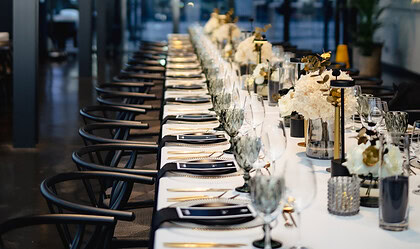
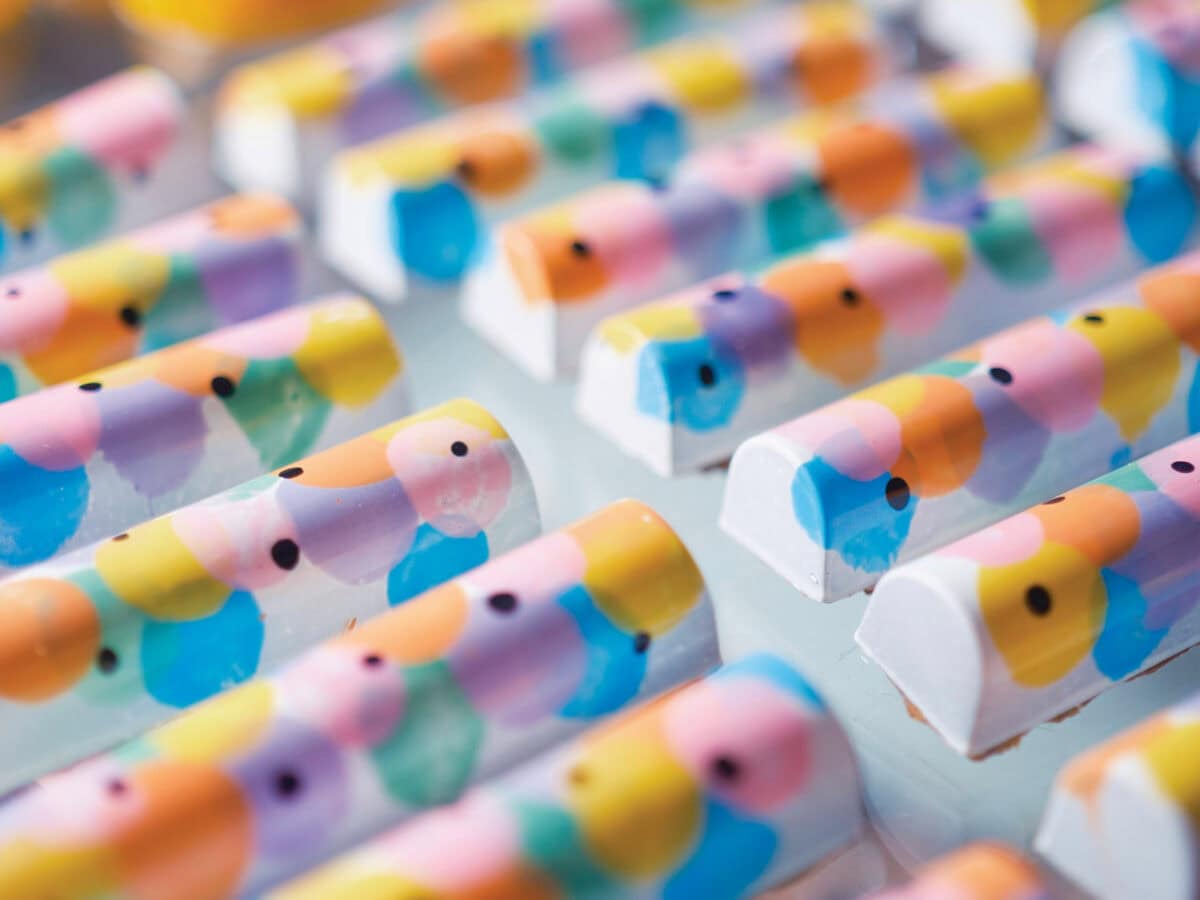
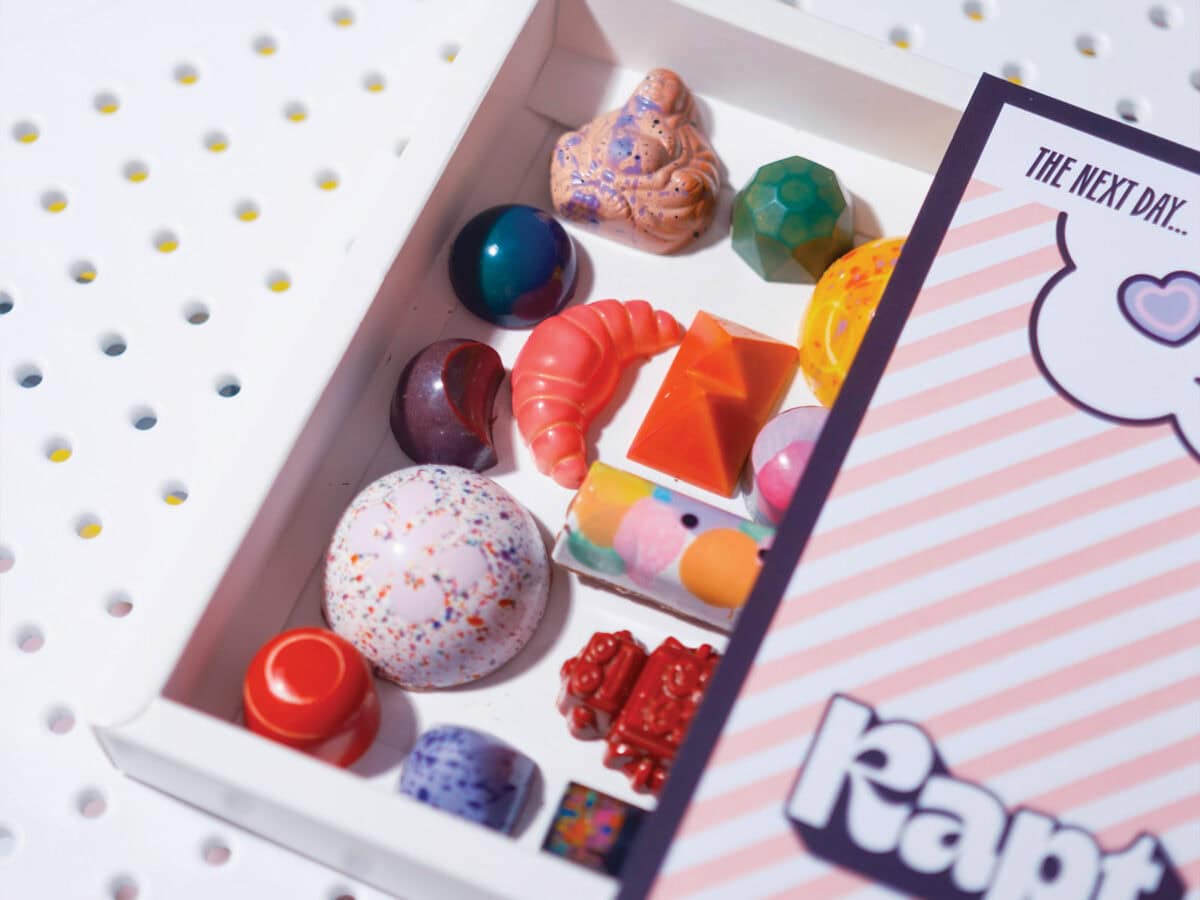
His chocolate factory, which is open to the public, uses this premium-price ‘speciality cacao’ to produce chocolate bars, filled chocolate truffles, instant nitrogen ice-cream and all sorts of build-your-own chocolate extravagances. Called Rapt, its Pop Art décor seems evidently inspired by Willy Wonka.
Donde, who helped establish South Africa’s second-wave coffee revolution and 15 years ago founded Truth Coffee, one of Cape Town’s most coveted brands, began sussing out the chocolate market a few years ago. ‘During the lockdown period we went looking for cacao from all over the world. Madagascar was recommended. We love Madagascan cacao but the moment we tasted the stuff from São Tomé, it blew us away.’
He says the choice came down to what tested best in blind tastings. ‘One of the main factors is that cacao, unlike other farm produce, is heavily affected by fertilisation from other trees. A modern nasty-tasting hybrid tree will alter the taste of some ancient varietal of cacao horribly. São Tomé e Príncipe simply doesn’t have these problems so their cacao is unique. The history is rich and the cacao is rare and untainted.’
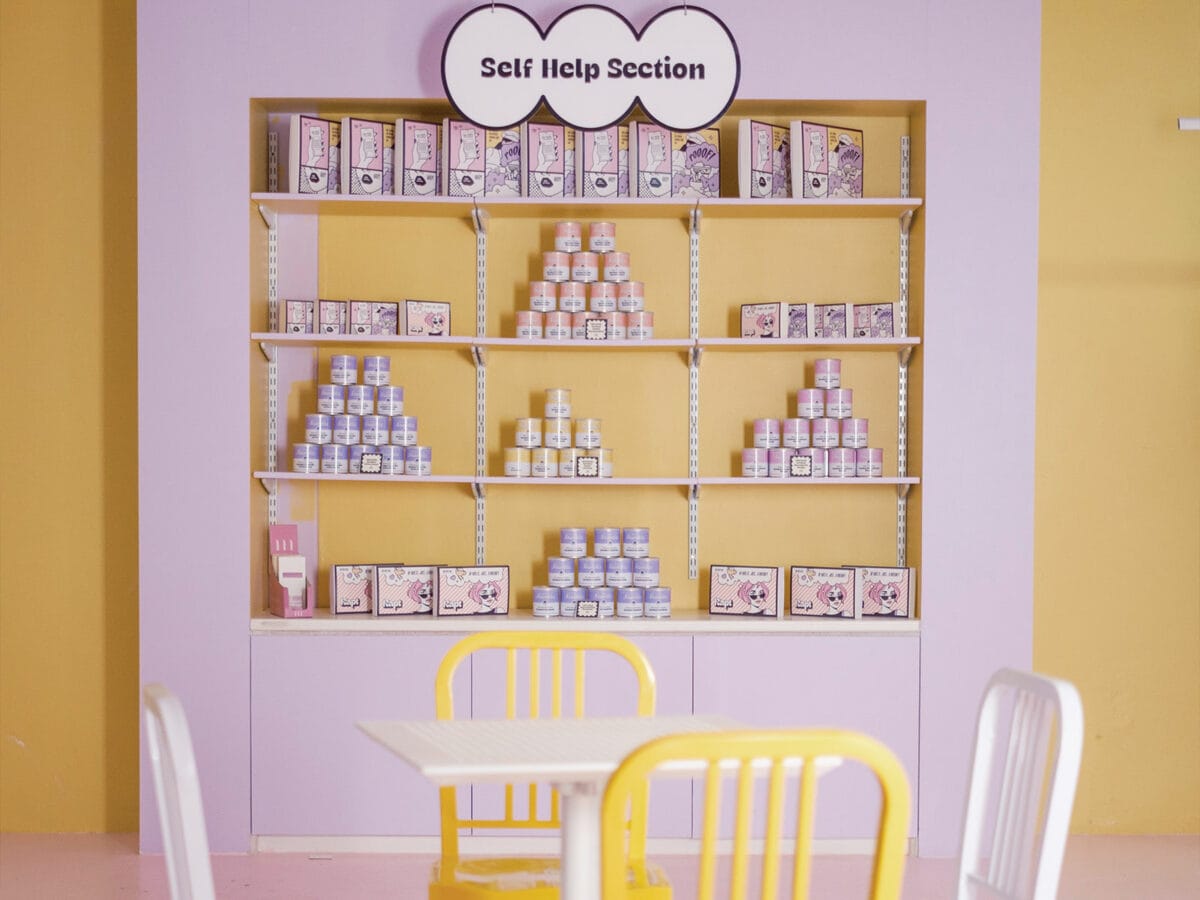
He says there’s a vast divide separating genuine chocolate from what is mass produced. ‘Wouldn’t you rather have real food over sugar-laden stuff that calls itself chocolate by skimming the barest percentage of cacao legally allowable to still be termed chocolate?’
Donde believes ‘the real stuff’ is delicious without additional sweetening, so the chocolates at Rapt will provide ‘the nostalgic flavours of your childhood’, without excessive sugar. ‘We’re trying to create something that isn’t just good enough for Cape Town, but that can stand on its own feet anywhere in the world,’ he says. ‘Expect a dopamine hit of healthy indulgence plus nostalgia.’
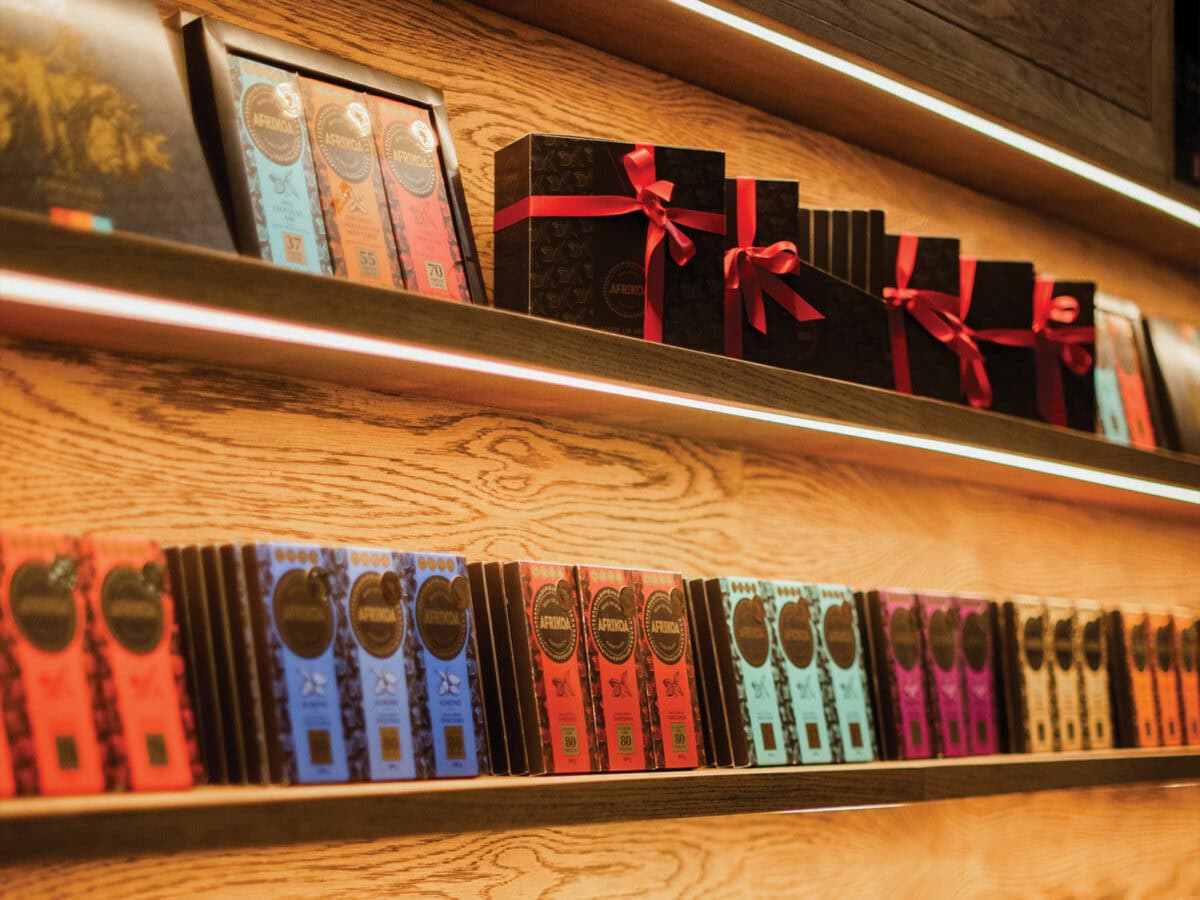
Also looking to elevate local chocolate-making to international standards is Afrikoa, a Cape Town-based chocolate-making company co-founded by Rwandan-Swiss businesswoman Ingrid Karera.
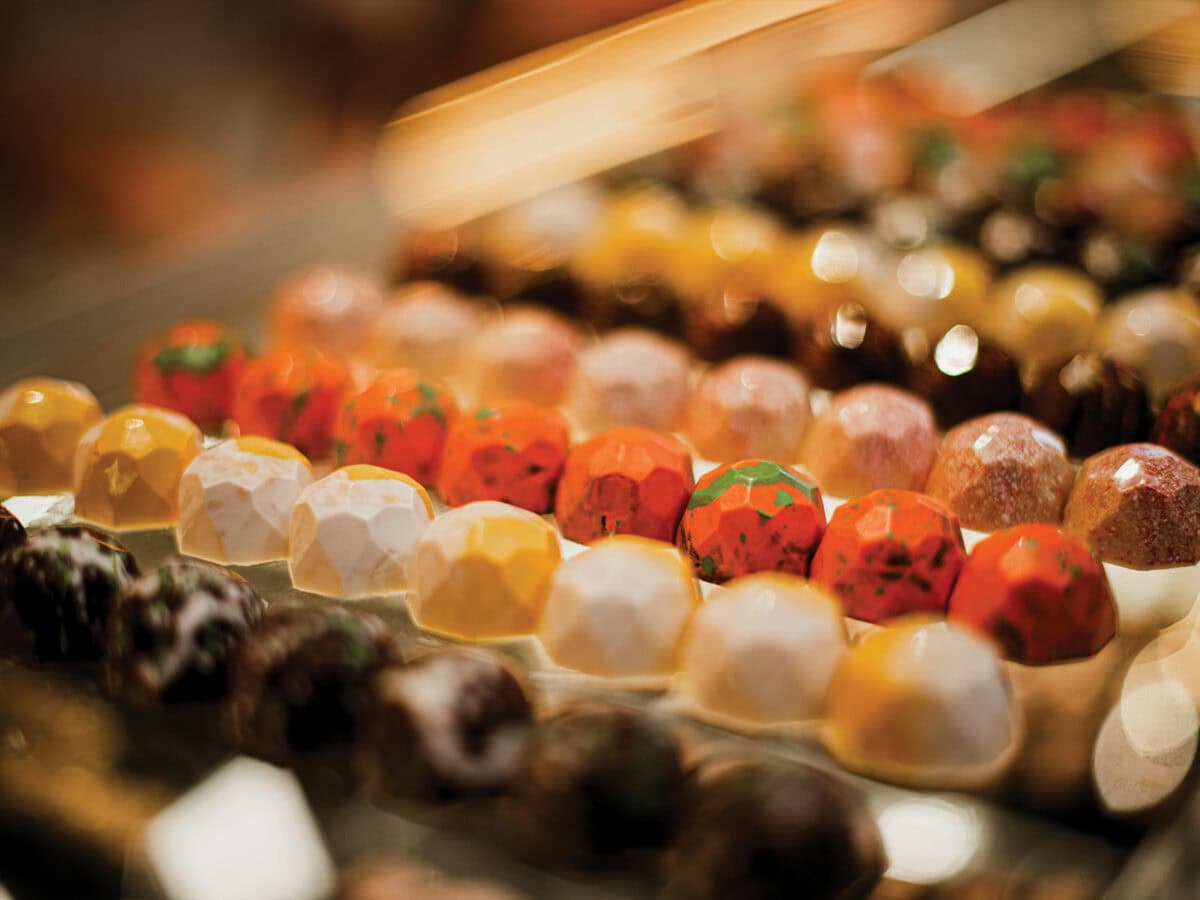
Head chocolatier Kyle Hickman says Afrikoa has always paid a premium for cacao beans, opting to trade directly with farmers in Tanzania rather than going through a Belgian dealer, which is the usual route. ‘Our Tanzanian cacao is of heirloom stock, part of the original heritage cacao that was grown in South America, and this gives us a superior- quality, better-tasting bean.’
He says that the direct-trade relationship ensures that the raw product is more carefully handled, is free of defective beans, and that there’s more control than if the beans were simply bought at auction.
‘While we aren’t organic certified, the farms from which we procure are all co-ops located in areas so rural they don’t even have access to pesticides and chemicals.’
Hickman says that while fair treatment of farmers is a brand priority, flavour is critical, too. Afrikoa sources top-tier Trinitario beans that ‘have quite a unique flavour profile’.
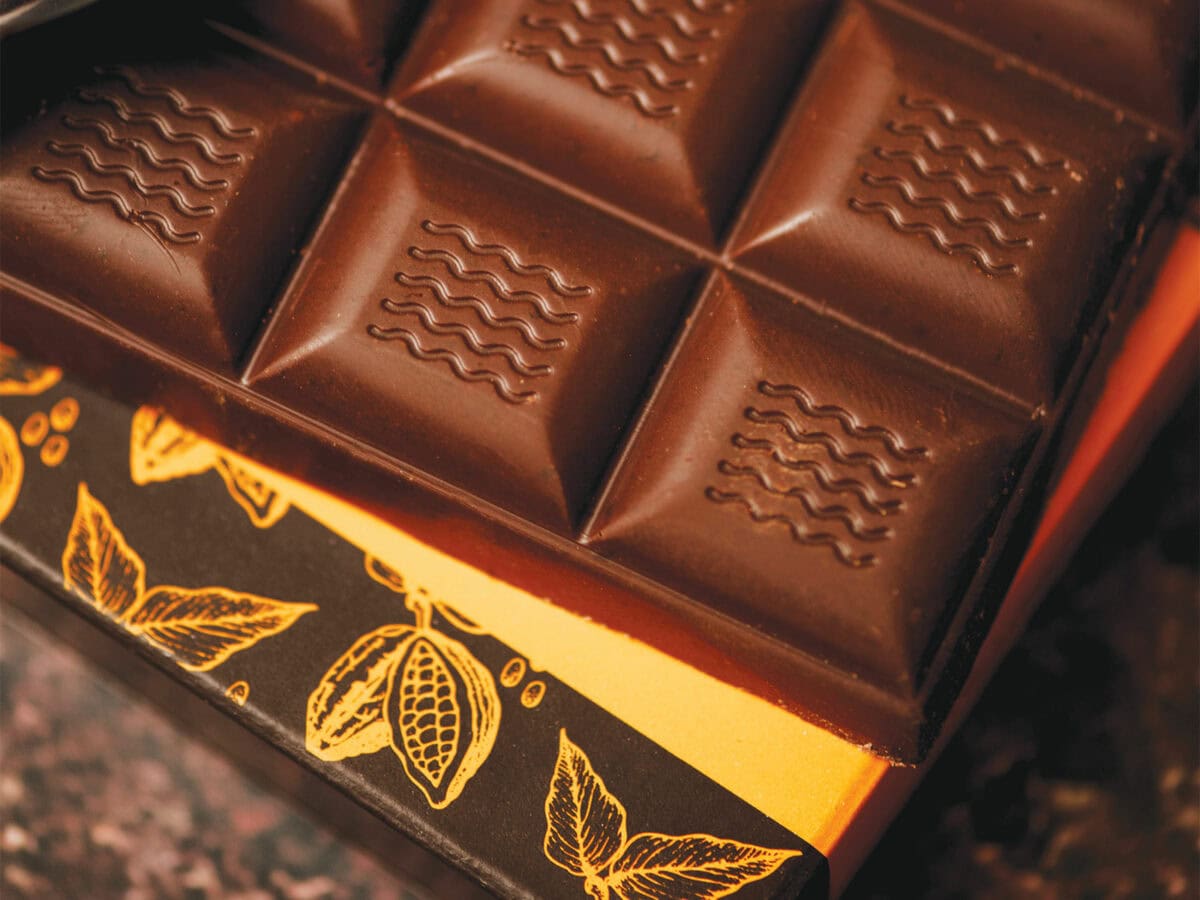
He says that the ‘Belgian chocolate flavour’ we’re most familiar with comes from West African beans. Those, he says, tend to have ‘a typical chocolatey flavour’ whereas their Tanzania-grown beans produce a fruitier, non-mainstream flavour. ‘You get a beautiful red fruit flavour coming through, a little more acidic than usual, too,’ he says.
Hickman also says Afrikoa’s milk chocolate has a higher cocoa percentage and isn’t as sweet as mainstream milk chocolate; ‘it’s really rich and creamy and chocolatey’. A classic choice is their 37% milk chocolate with hazelnut.
If you prefer to go dark, they produce a beautifully complex 70% chocolate, that’s less bitter than people assume, wonderfully creamy and also full of health benefits. That said, their roasted macadamias coated in a white chocolate infused with rooibos and citrus might just make an addict of you, even if you will be paying more for it for the foreseeable future.
by Keith Bain