What began as a challenge to make the wristwatch more precise, more resilient and more useful has become one of the defining stories in modern watchmaking. More than a century after Hans Wilsdorf first set out to transform the wristwatch, the Rolex Oyster continues to evolve.
At the turn of the 20th century, the wristwatch was still regarded by many as little more than jewellery. Wilsdorf saw something different: an opportunity to create a reliable instrument that could keep pace with a rapidly changing world. The ambition was clear, but the challenges were considerable. Rolex would need to master precision, waterproofness and self-winding technology, three breakthroughs that would ultimately shape the Oyster and its enduring legacy.
The first breakthrough came with accuracy
In 1910, a Rolex wristwatch received a Certificate of Chronometric Precision from the Official Watch Rating Centre in Bienne, Switzerland, demonstrating that a wristwatch could achieve the same level of precision as the pocket watches that dominated at the time.
Then, in 1914, another Rolex wristwatch received a ‘Class A’ certificate from Britain’s Kew Observatory. The distinction had traditionally been associated with marine chronometers, making the achievement an important milestone in establishing the wristwatch as a serious precision instrument. But for Wilsdorf, accuracy was only the beginning.
The watch that could go anywhere
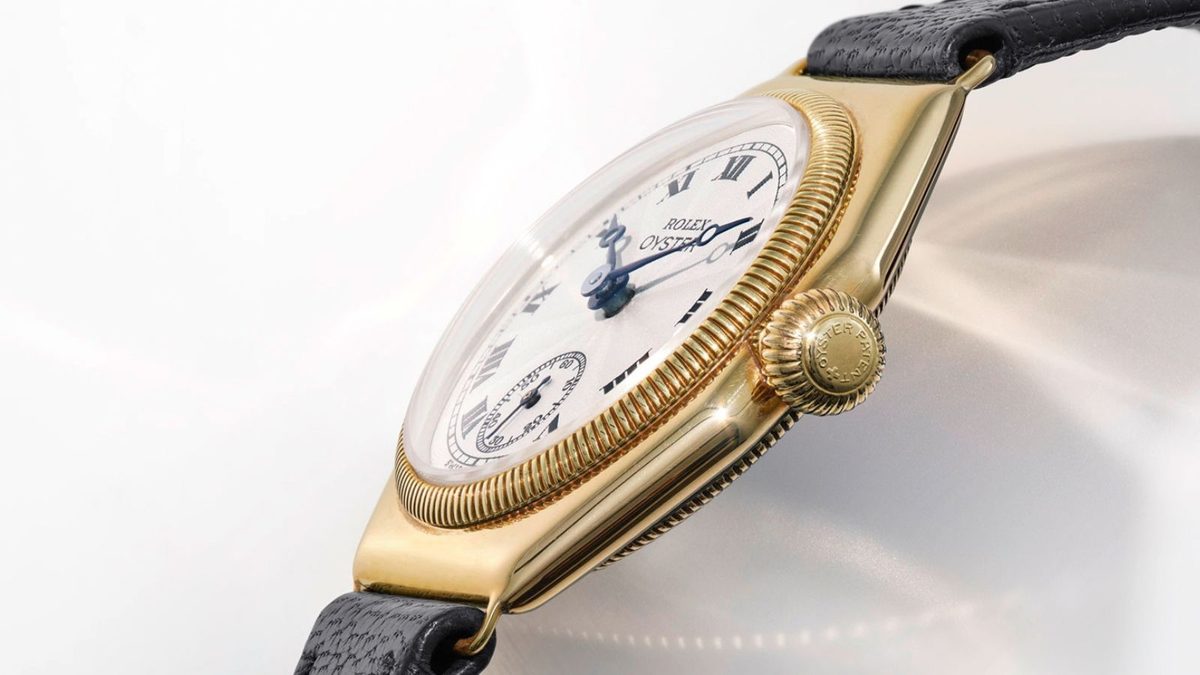
In 1926, Rolex introduced the Oyster, named for its ability to protect its movement with a completely waterproof and dustproof case. Its construction was revolutionary. The bezel, case back and winding crown were screwed down against the middle case, creating a seal designed to keep the elements out.
The Oyster soon had an opportunity to prove itself. In 1927, English swimmer Mercedes Gleitze attempted to swim the English Channel, spending more than 10 hours in its freezing waters. On her wrist was a gold Rolex Oyster. When she finally emerged, the watch was still working perfectly.
It was a remarkable demonstration of the Oyster’s resilience – and the beginning of a long association between Rolex and those willing to test the limits of what was possible.
From Oyster to Oyster Perpetual
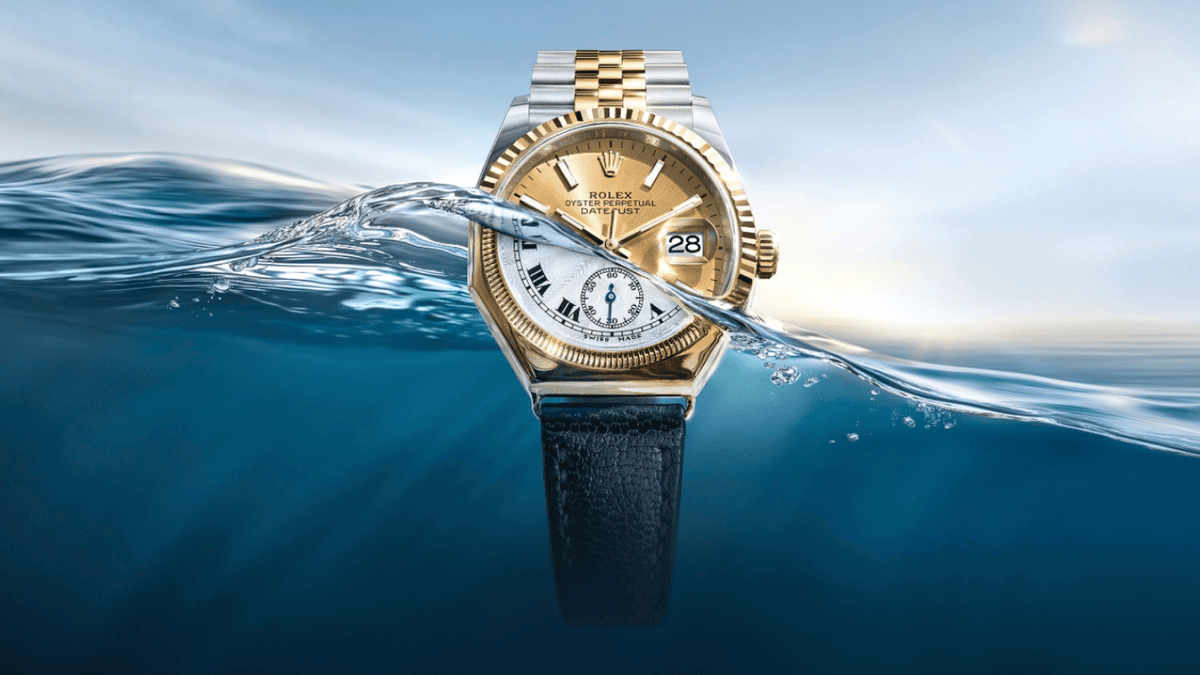
The next major development arrived in 1931, when Rolex introduced its Perpetual rotor. The self-winding mechanism used the natural movement of the wearer’s wrist to keep the watch running, eliminating the need for regular manual winding. The Oyster had become the Oyster Perpetual. It was a simple idea with a lasting impact, and it established the foundation for generations of Rolex watches to come.
A living laboratory
Rolex’s approach to innovation has always involved taking its watches beyond the workshop. Explorers, mountaineers, divers, pilots, scientists, athletes and sailors became part of what Rolex described as a “living laboratory”, putting Oyster watches through demanding conditions in some of the world’s most challenging environments.
Their experiences helped Rolex continually refine its technology. As new pursuits emerged, so did increasingly specialised watches. Enhanced resistance to pressure and magnetic fields, rotating bezels and second time zones were among the innovations that expanded the Oyster family from a single pioneering design into a collection of watches built for very different ways of life.
An enduring spirit of exploration
The story of the Oyster extends beyond the watches themselves. For decades, Rolex has supported individuals who embody the same spirit of precision, discipline and exploration that shaped the Oyster’s development. Its partnerships span sport, from equestrianism and golf to motor sport, tennis and sailing, while the Perpetual Arts Initiative supports artists and cultural institutions around the world.
The Perpetual Planet Initiative takes that spirit into the natural world, supporting explorers and scientists working to deepen our understanding of the planet and address its environmental challenges. The common thread is a belief in progress – and in the people prepared to push further.
The next generation of precision
That philosophy remains firmly in place today. In 2026, Rolex expanded the criteria for its Superlative Chronometer certification, bringing the total to seven pillars of excellence: precision, waterproofness, self-winding and autonomy, alongside resistance to magnetism, reliability and sustainability.
The manufacture is also pursuing an extraordinary new frontier in timekeeping through pioneering optical atomic clocks. These highly sophisticated instruments give Rolex access to an unprecedented level of accuracy and contribute to the international network responsible for establishing Coordinated Universal Time.
What began with the ambition to make the wristwatch more precise and dependable has become a century-long pursuit of pushing the boundaries of what a watch can achieve. And while the technology has changed dramatically, the original idea remains intact: a watch designed not simply to measure time, but to keep pace with those determined to make the most of it.

A legacy worth collecting
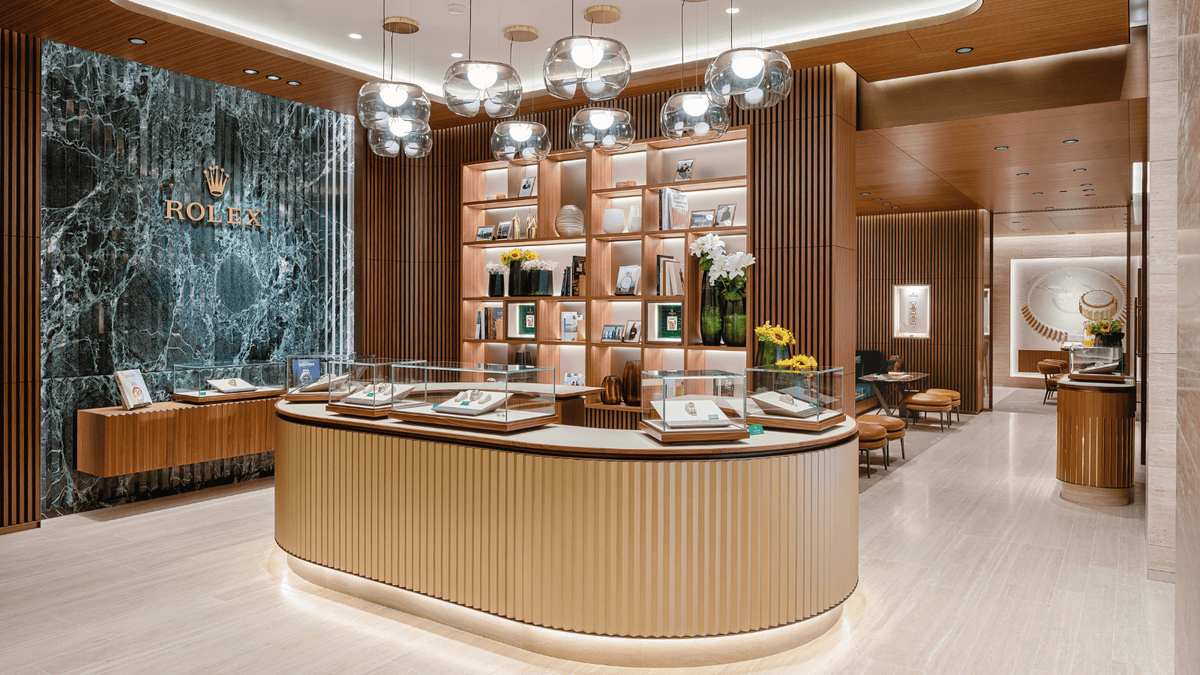
For those inspired to make a piece of this history their own, discover and collect Rolex timepieces at the Rolex Boutique by Shemer Jewellers, situated in Sandton City’s renowned Diamond Walk. From enduring classics to contemporary icons, each watch reflects a legacy of innovation and timeless design.